Introduction
Terms like "Scrum Master" and "Project Manager" are often used interchangeably, but they represent distinct roles, especially within the context of Agile methodologies. If you're considering a career in Agile frameworks, you might wonder how these two roles differ and which one aligns best with your skills and career goals. This blog post will explore the essential differences between Scrum Masters and Project Managers, diving into their responsibilities, skills, and the benefits they bring to Agile teams.
By the end of this post, you'll understand which role suits your aspirations and how Agile Scrum Master certification can help you thrive in either role. If you're ready to dive deeper into Agile methodologies, H2K Infosys offers comprehensive Agile and Scrum Master certification courses that will provide you with the knowledge and hands-on experience you need to advance your career.
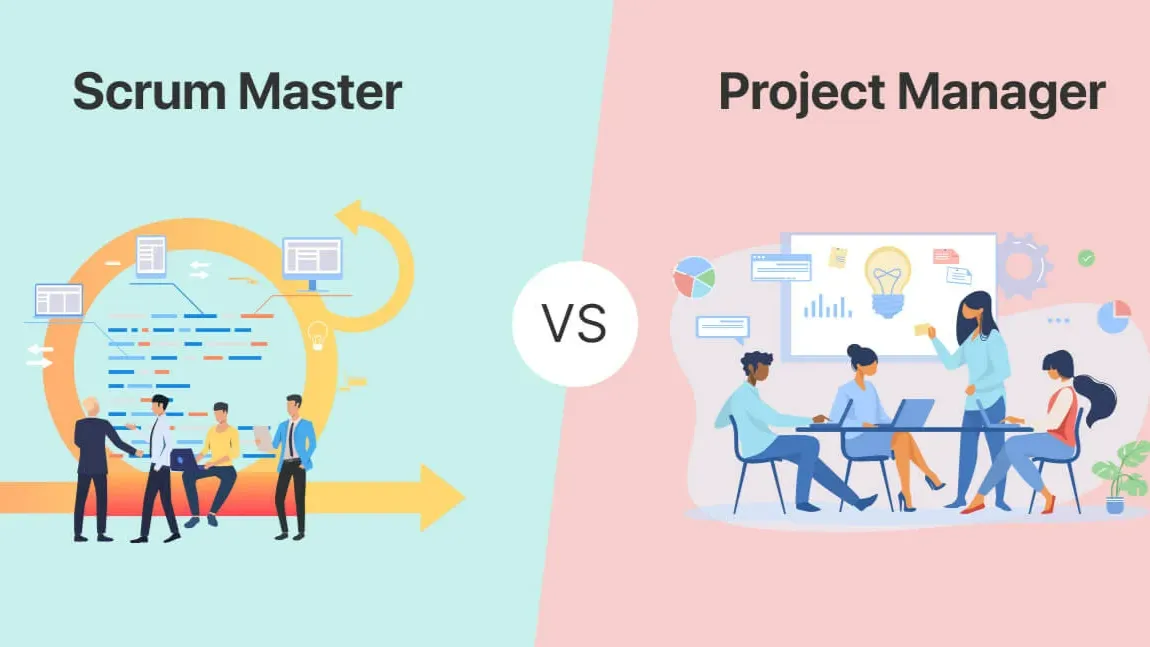
Scrum Master vs. Project Manager: What’s the Difference?
The Agile approach has transformed the way projects are managed, emphasizing flexibility, collaboration, and continuous improvement. In traditional project management, the Project Manager takes the lead in managing the entire project, overseeing budgets, schedules, and resources. However, in Agile frameworks like Scrum, the roles shift to focus on team collaboration and iterative development. Here’s a detailed breakdown of the key differences between the two roles:
1. Role Focus
- Scrum Master: The Scrum Master is a servant-leader who ensures that the Scrum team follows Agile principles and Scrum practices. They act as a facilitator for the team, helping them self-organize and remove any obstacles or impediments that could hinder their progress. The Scrum Master focuses on fostering an environment that allows teams to thrive and continuously improve.
- Project Manager: In traditional project management, the Project Manager takes on a more directive role. They are responsible for planning, executing, and closing projects, managing resources, timelines, and budgets. The Project Manager ensures that the project aligns with the overall goals and objectives and is completed on time and within scope.
2. Leadership Style
- Scrum Master: The Scrum Master leads through influence, encouraging collaboration, communication, and a strong team culture. They are not in charge of the team but are responsible for guiding and coaching the team toward success by helping them embrace Scrum processes. Scrum Masters don’t make decisions for the team; instead, they help the team make decisions themselves.
- Project Manager: The Project Manager typically holds a more authoritative role. They make key decisions regarding the project's scope, resources, and deadlines, and are often responsible for managing the client’s expectations. Project Managers lead by making critical decisions and delegating tasks to ensure the project’s success.
3. Responsibilities
- Facilitates daily stand-up meetings, sprint planning, retrospectives, and reviews.
- Coaches the team on Scrum practices and principles.
- Removes any impediments that prevent the team from delivering value.
- Works with the Product Owner to ensure the backlog is prioritized and understood.
- Shields the team from external disruptions.
- Develops and manages the project plan, including timelines, resources, and budget.
- Tracks project progress and ensure it stays within scope, time, and cost.
- Communicates project status to stakeholders and clients.
- Manages risks, resolves conflicts, and addresses any changes in the project scope.
4. Approach to Change
- Scrum Master: Change is embraced in Scrum. The Scrum Master facilitates change through regular retrospectives where the team reflects on the sprint and looks for areas of improvement. They encourage teams to adapt and evolve continuously, making change a constant part of the process.
- Project Manager: Change management in traditional project management can be more rigid. While change is inevitable, it often requires formal processes to evaluate its impact on the project scope, budget, and timeline. The Project Manager works with stakeholders to assess and implement change requests carefully.
The Benefits of Scrum Masters in Agile Frameworks
The Scrum Master role is pivotal in ensuring the success of Agile projects. Here are some of the key benefits of having a Scrum Master on an Agile team:
- Facilitating Continuous Improvement: Scrum Masters guide teams in reflecting on their performance and implementing improvements. This ongoing cycle of reflection and adaptation ensures that the team becomes more efficient and effective over time.
- Promoting Collaboration and Communication: Scrum Masters foster open communication and collaboration among team members, the Product Owner, and other stakeholders. This improves decision-making and ensures that everyone is aligned with the project goals.
- Removing Obstacles: One of the primary responsibilities of the Scrum Master is to remove obstacles that hinder the team’s progress. Whether it's a technical issue, resource limitation, or external distraction, the Scrum Master ensures that the team can focus on delivering value.
- Boosting Team Morale: Scrum Masters help build a positive team culture by encouraging self-organization and autonomy. A Scrum Master’s leadership ensures that the team has the tools and resources they need to succeed while maintaining a focus on continuous learning and growth.
The Benefits of Project Managers in Agile Frameworks
While Scrum Masters play a critical role in Agile teams, Project Managers also offer value in certain contexts. Here are some of the benefits of the Project Manager role:
- Ensuring Alignment with Business Goals: Project Managers are key in ensuring that the project remains aligned with the business objectives. They manage stakeholder expectations, track project performance, and ensure that the final deliverables meet client needs.
- Resource Management: Project Managers are experts in allocating resources efficiently. Whether it's time, budget, or personnel, the Project Manager ensures that resources are optimized to meet project goals.
- Risk Management: Project Managers are responsible for identifying potential risks and developing mitigation strategies. By proactively addressing risks, they can prevent disruptions that might derail the project.
- Maintaining Project Scope and Budget: A Project Manager's ability to manage scope creep and keep the project on budget is vital for its success. Their experience ensures that the project stays within the defined parameters, avoiding costly overruns.
Which Role Should You Pursue?
Both Scrum Masters and Project Managers have important roles in Agile frameworks, but the path you choose should align with your interests, skills, and career goals.
- If you enjoy coaching, guiding teams, and focusing on process improvements, the Scrum Master role might be the best fit. The Scrum Master’s emphasis on facilitating collaboration and removing obstacles creates an environment where teams can thrive and deliver value consistently.
- If you prefer overseeing the overall success of a project and managing resources, timelines, and budgets, then the Project Manager role may be more suitable. A Project Manager in an Agile environment ensures that the project aligns with business goals while still adhering to Agile principles.
Conclusion
In Agile frameworks, both Scrum Masters and Project Managers play crucial roles, but they differ significantly in their responsibilities, leadership styles, and approaches to project management. The Scrum Master is focused on enabling and coaching the team to achieve success within the Scrum framework, while the Project Manager is concerned with ensuring that the project is completed on time, within scope, and budget.
For professionals seeking to build a career in Agile environments, Agile and Scrum Master certification is an excellent way to gain the knowledge and skills needed for these roles. H2K Infosys offers comprehensive Agile Scrum certification courses designed to equip you with hands-on experience and a deep understanding of Agile methodologies. Whether you're looking to become a Scrum Master or a Project Manager, our courses will help you develop the expertise to succeed in your Agile journey.